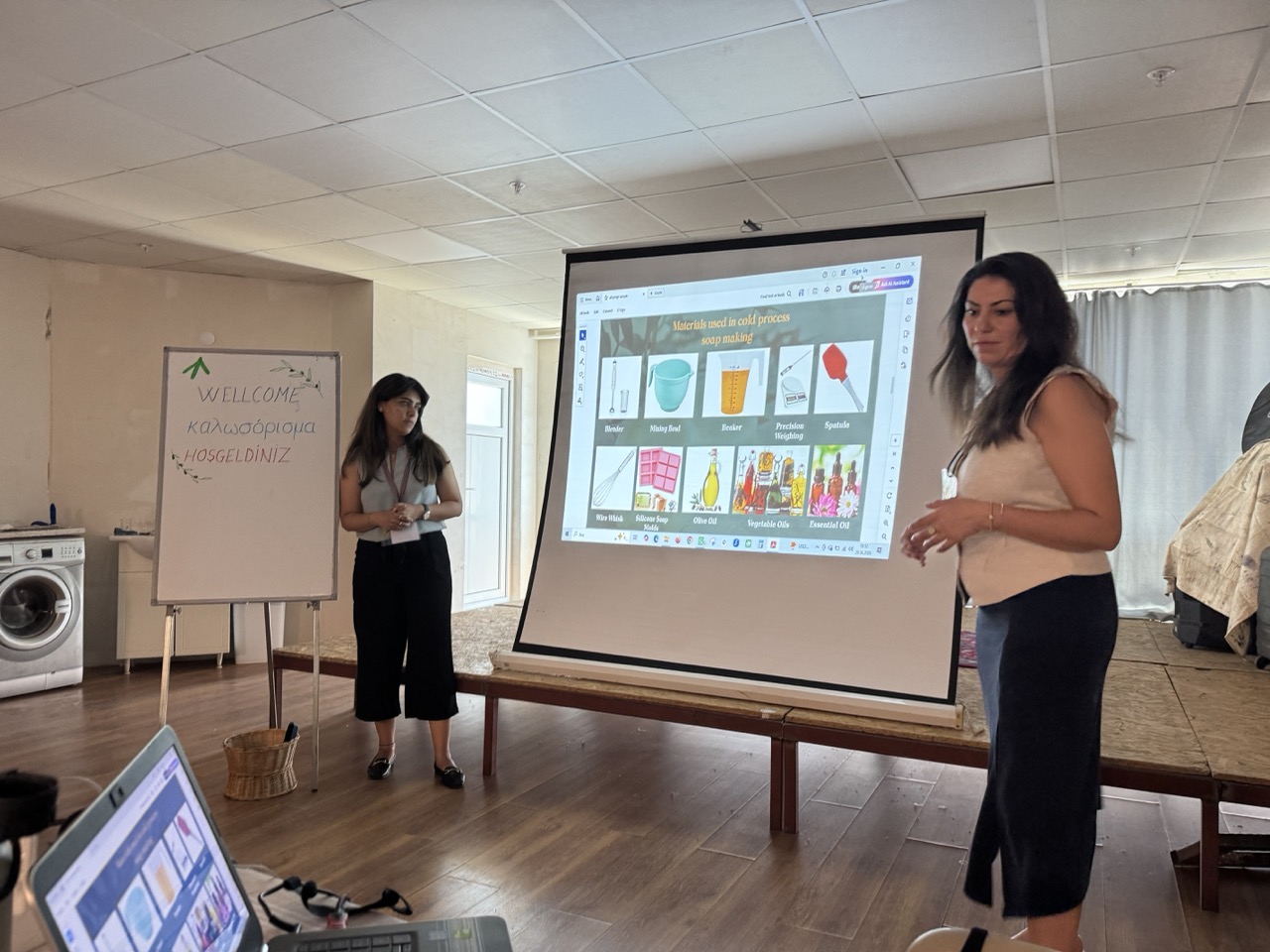
From March to September 2026, we had the pleasure of hosting PhD student Nasim Dadizadeh from the University of Trento, Italy. Through her research, we broadened engagement with artisans across wider geographical regions, including Iran, Pakistan, Turkey, Greece, and the United Kingdom. Nasim’s PhD research aims to develop a community-based digital storytelling framework for intangible craft heritage within specific community contexts. She focuses on helping communities contextualize the meaning of their craft practices and enable audiences to develop personal connections through participatory digital narratives.
During her visit to the University of Brighton, Nasim explored how digital storytelling can support heritage crafts and the people who practise them, helping develop the SustainableCrafting digital platform. The research was supported by a series of workshops and interviews. These workshops engaged with community organisations and craftspeople from various countries. The aim was to understand their experiences, the challenges they face, and the digital support they would find useful. Beyond helping artisans communicate the intangible aspects of their work, the focus was on improving their visibility, communicating authenticity, and creating opportunities to reach new customers.
Co-Design workshops with artisans
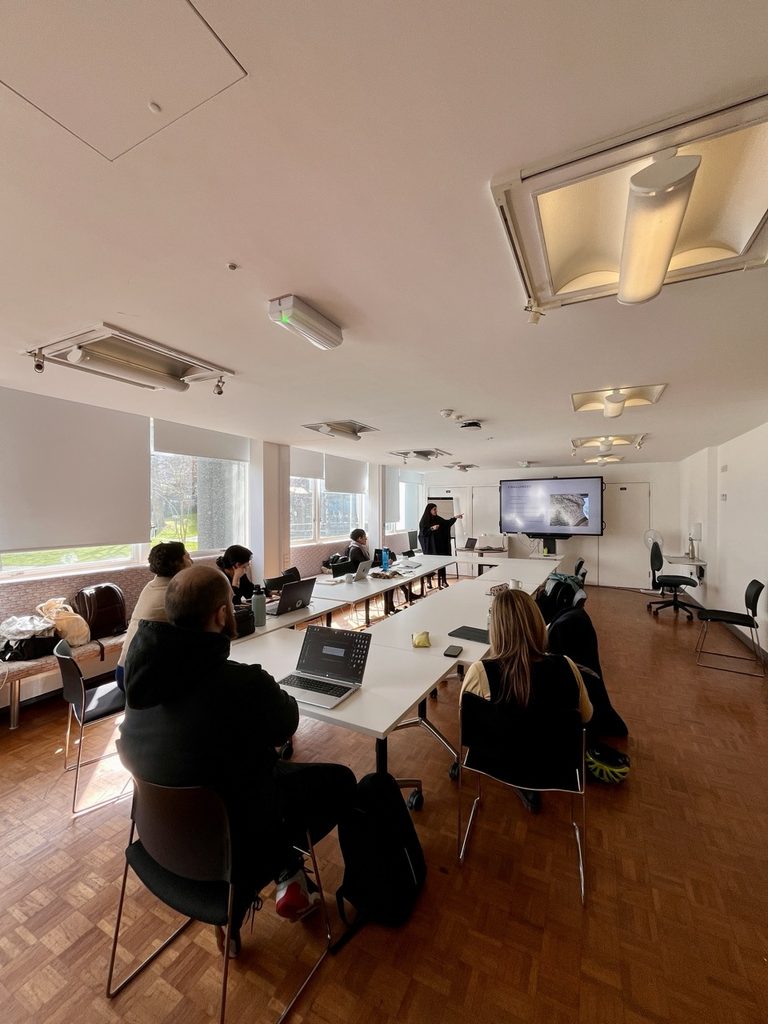
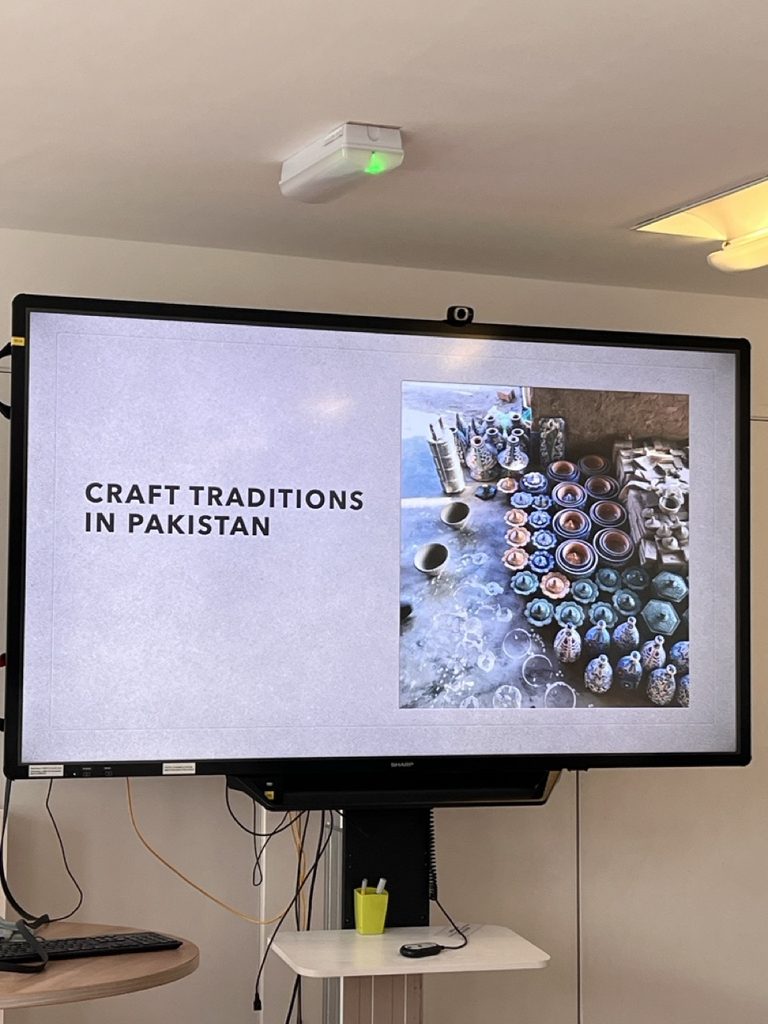
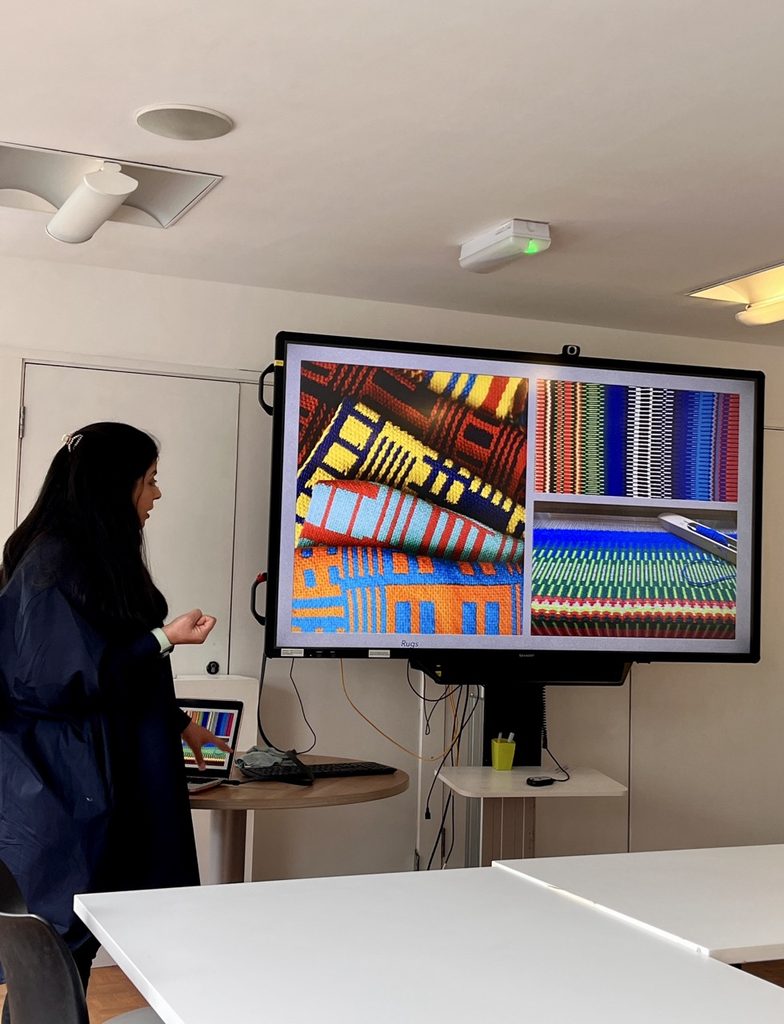
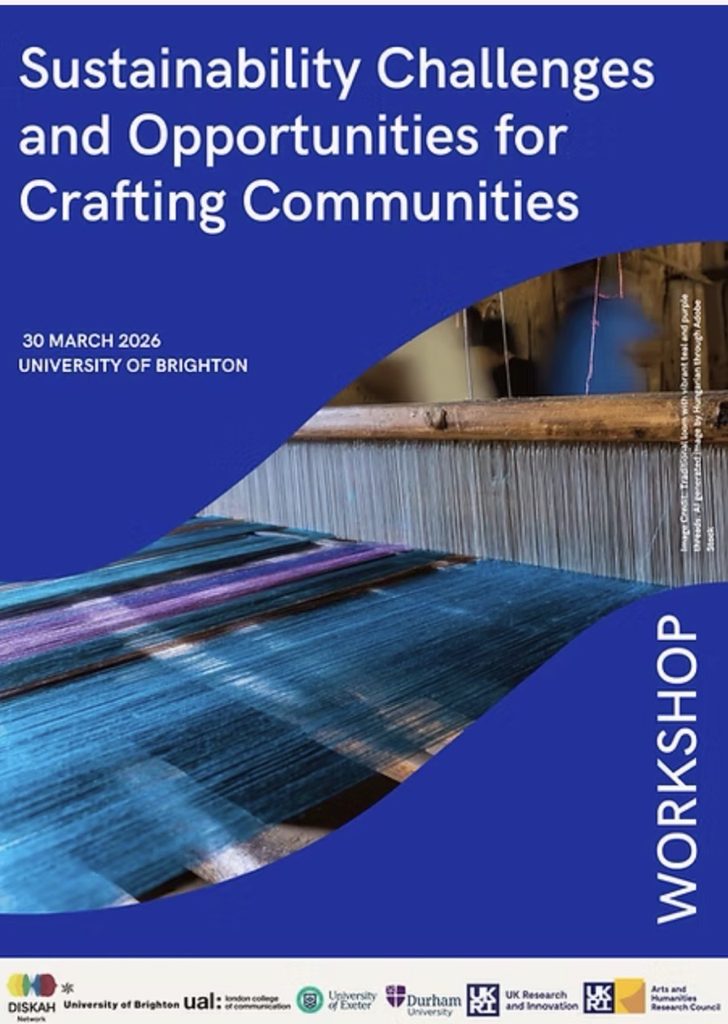
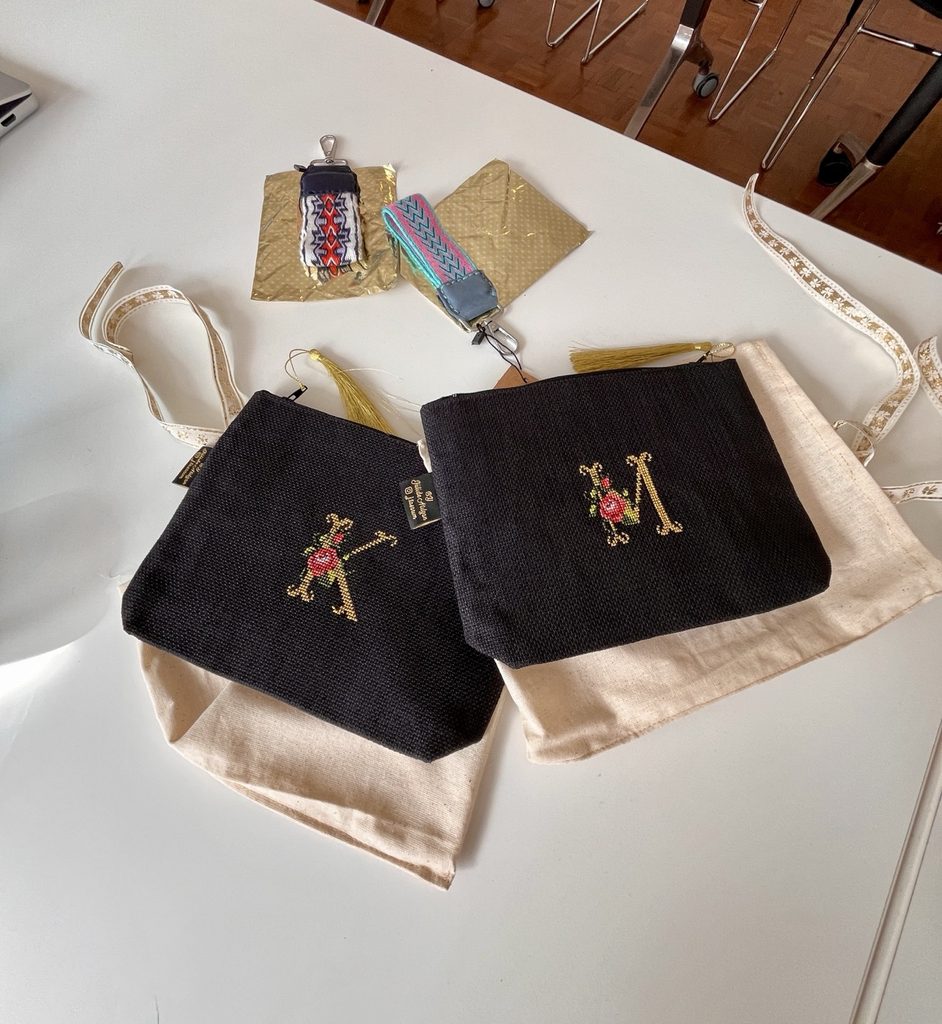
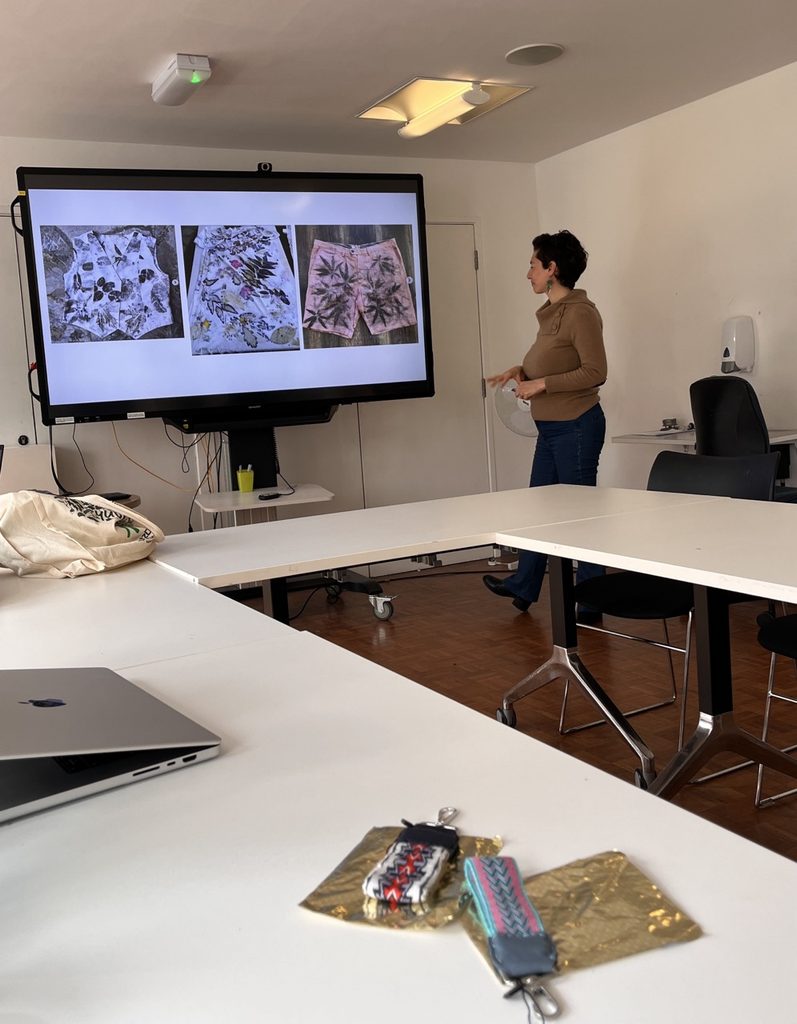
In March 2026, the “Sustainability Challenges and Opportunities for Crafting Communities” workshop, funded by the University of Brighton under the Official Development Assistance (ODA) and the UKRI-funded Digital Skills in Arts and Humanities Network, kick-started a collaboration with the Kazdağı Association for the Protection of Natural and Cultural Assets in Edremit, Turkey. The workshop provided an opportunity to learn about the experiences and priorities of the craft communities the association represents. Amongst many challenges, artisans recognised digital skills for using digital platforms effectively, as well as the cost of using digital services, as challenges. This means artisans often depend on others to photograph, promote, or sell their products, requiring access to expertise and incurring higher costs. These conversations helped us recognise that providing access to technology is only part of the answer. Artisans also need the digital literacy to prepare, organise, and share digital content, including information about their products and stories, and to communicate their work without losing control over how it is presented.
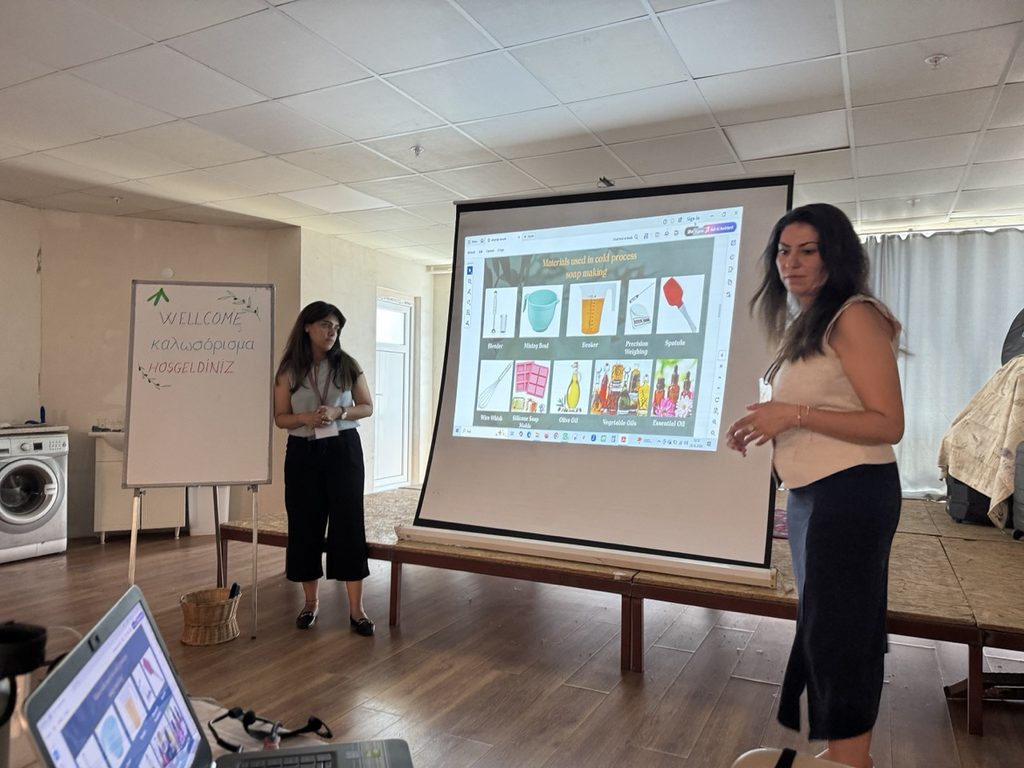
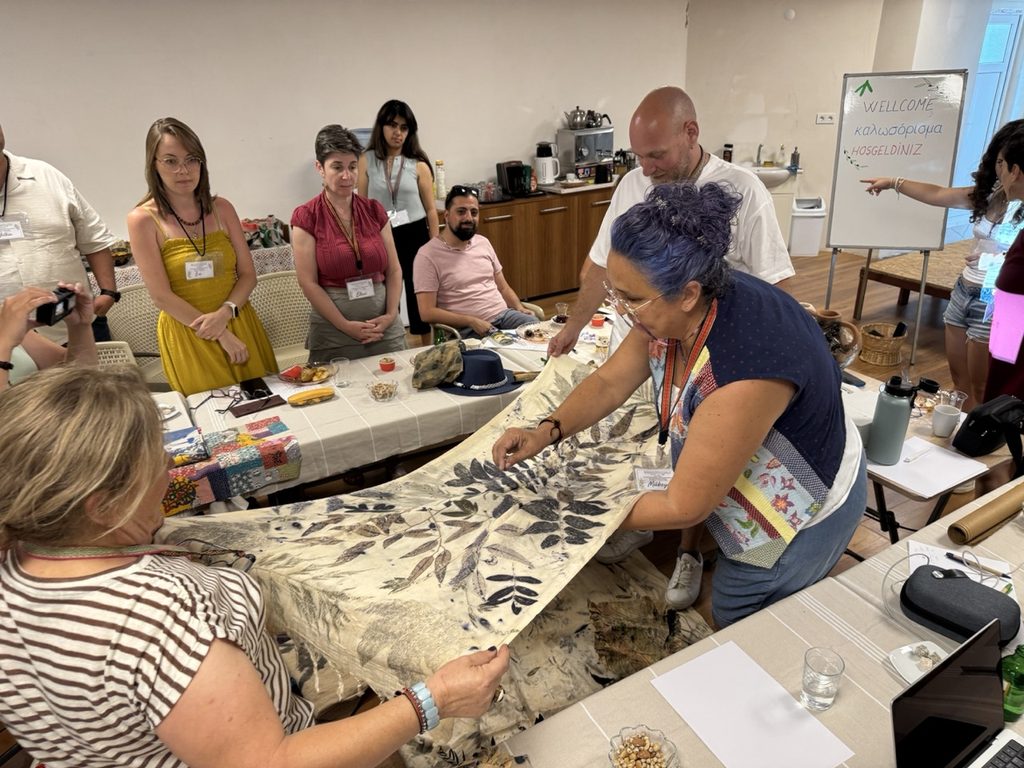
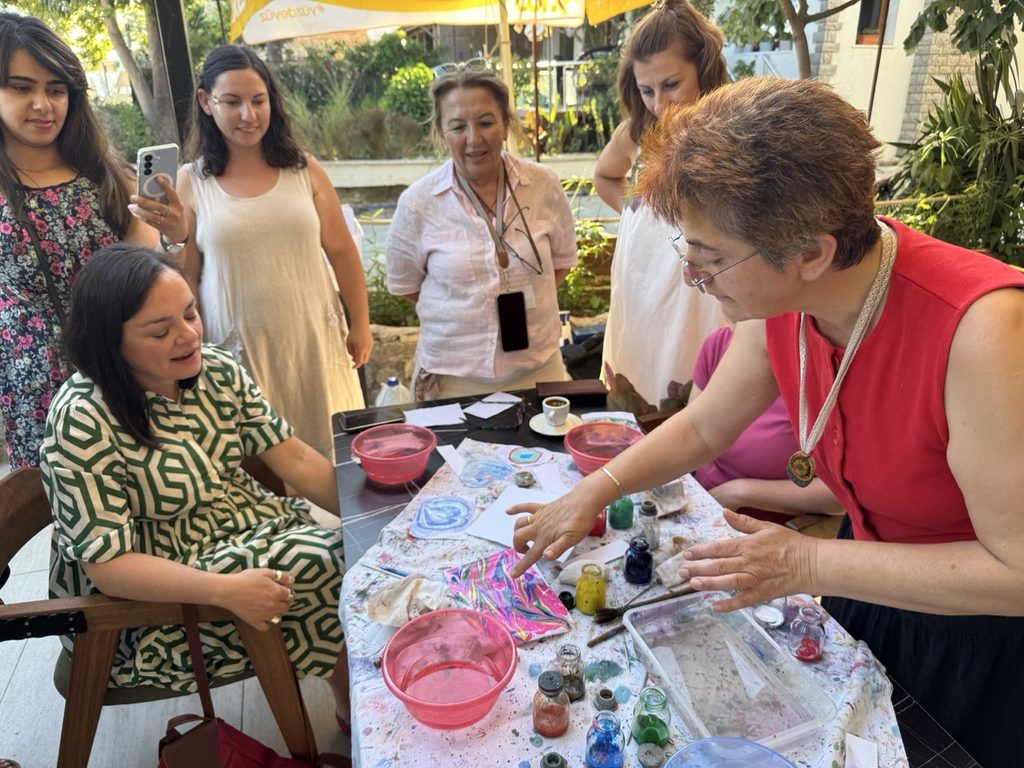
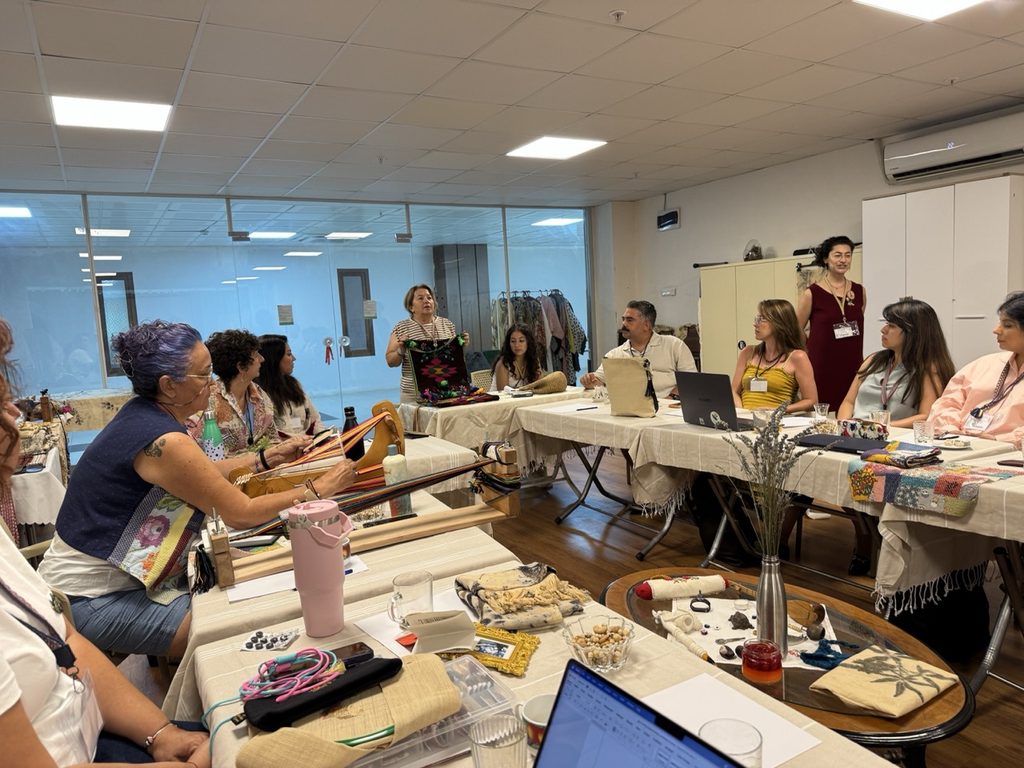
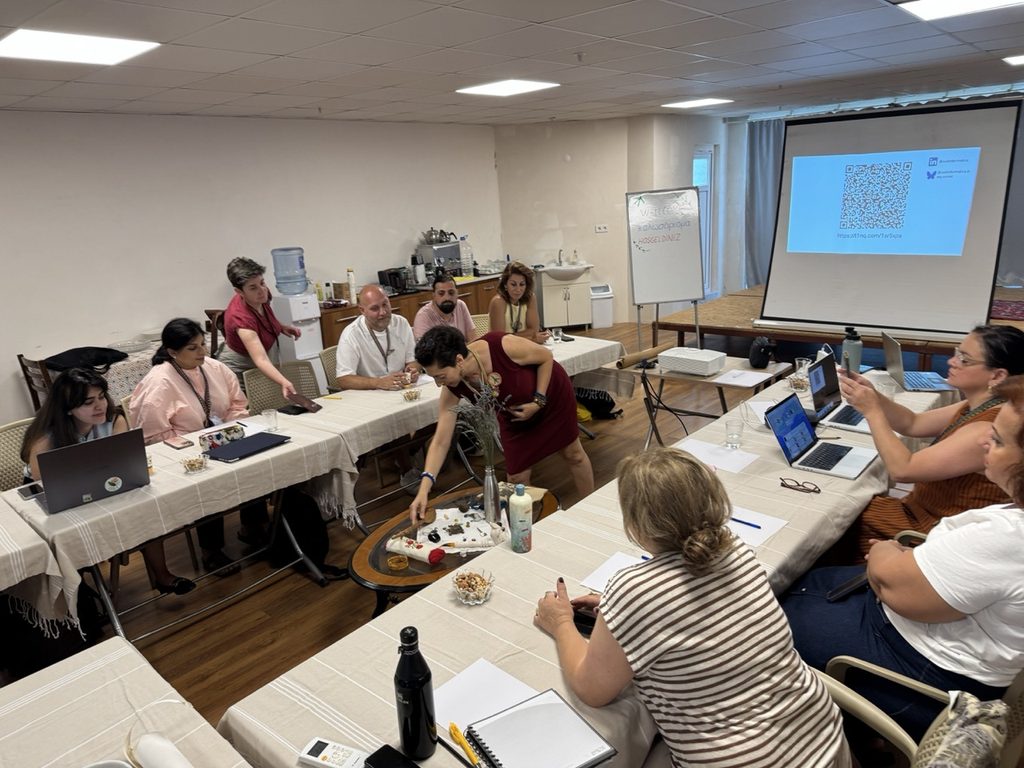
In June 2026, the University of Brighton-funded Creative and Craft Enterprises in the Aegean Region Workshop was held at the association in Turkey. During this event, the research moved from identifying the challenges to exploring possible responses through co-design with artisans from the Edremit region of Turkey and Lesbos in Greece. Through group discussion, craft examples, and collaborative brainstorming, we considered how artisans might introduce themselves, explain their working processes, and connect individual products to their wider cultural and personal contexts. One important question was how to guide storytelling without telling artisans what their stories should be. The workshop explored how to elicit stories through prompting memories and experiences; for example, how they learned their craft, why particular materials or motifs matter, what difficulties they have faced, how their practice has changed, and what they hope for the craft’s future. The questions are intended as support rather than a fixed script. Artisans remain free to choose what they want to discuss, how they want to express it and what they prefer to keep private. The workshops therefore became an important moment in the research’s development. It helped turn general ideas about digital heritage into a clearer understanding of what an artisan-centred platform should provide.
A key outcome of the workshop was conversations about future collaboration between researchers and craft communities. Interviews conducted with the participants also provided valuable insight into how artisans currently use digital technologies and where they require additional help. While some participants were comfortable with social media, others had limited digital experience. Both workshops identified supporting artisans with digital skills as a key outcome.
Contributions to SustainableCrafting
Nasim’s research informed the design and development of a storytelling guide for the SustainableCrafting digital platform. The emerging platform brings together artisan profiles, craft and product information, multimedia stories and links between physical objects and their digital narratives. QR codes can connect a handicraft product or promotional material directly to the artisan’s profile and story, making it easier for audiences to discover who created the object and understand its cultural context. The guide prompts artisans to construct their narratives in their own words through a series of questions. They can select and organise the questions, decide which experiences to share and combine written responses with photographs, audio or video.
Future Work
The research has contributed to the GCH 2026 short paper, Supporting Heritage Craft Through an Artisan-Centred Digital Storytelling. Future papers will describe the wider development and evaluation process in greater detail. The platform remains a work in progress. The next stages will include further pilot testing, practical support for artisans preparing their materials, and an evaluation of how the platform can create cultural, social and economic value together with craft communities. The main lesson from the Nasim visit is that digital platforms support artisans most effectively by letting them decide how their knowledge, products, and stories are represented, and by providing ongoing support to help them overcome the digital barriers they encounter. Overcoming these barriers requires both digital skills and access to infrastructure.